Lycopene and Tomato Products as Supportive Nutrition for Viral Immune Defense
Recent research has investigated whether dietary tomato products, especially those rich in lycopene, may support the immune system and provide protection against viral infections, including influenza and coronaviruses. This 2023 review summarizes observational and experimental studies focusing on lycopene’s potential immunomodulatory and antiviral properties.
Key Findings
1. Antioxidant & Anti-inflammatory Effects
Lycopene exhibits potent antioxidant activity, reducing reactive oxygen species (ROS) and lipid peroxidation. By lowering oxidative stress, lycopene can decrease excessive inflammatory responses that often worsen viral infections.
2. Immune System Modulation
Experimental studies suggest lycopene may enhance certain immune parameters, such as increased activity of natural killer (NK) cells, modulation of cytokine production, and support for lymphocyte proliferation. These changes could help the body respond more effectively to viral challenges.
3. Potential Effects Against Respiratory Viruses
While no study claims that lycopene or tomato products prevent viral infection entirely, in vitro and animal studies have shown:
- Reduction of viral replication markers in lung tissue models
- Lower levels of pro-inflammatory cytokines during viral challenge
- Improved antioxidant defense in respiratory epithelial cells
4. Tomato Products as Functional Foods
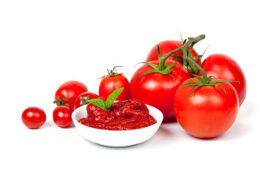
Processed tomato products, like tomato paste and sauce, provide concentrated lycopene in bioavailable forms. Regular inclusion in the diet may contribute to a supportive nutritional strategy to maintain immune resilience and reduce severity of viral infections.
Lycopene from tomatoes is not a cure or vaccine for viral infections but can be part of a dietary strategy to support the immune system, reduce inflammation, and enhance antioxidant defenses. This approach may complement standard medical practices in managing viral diseases, especially respiratory infections like influenza and SARS-CoV-2