Tomatoes, Lycopene, and Cardiovascular Health — What Does Current Evidence Say?
Cardiovascular diseases (CVDs) remain the leading global cause of mortality, which has motivated researchers to study whether dietary components—especially antioxidant-rich foods like tomatoes—may influence cardiovascular risk. Tomatoes and their derivatives are among the richest natural sources of lycopene, a potent antioxidant. Recent scientific evidence, including a major 2023 meta-analysis and a comprehensive 2022 review, provides useful insights into how tomato and lycopene consumption may relate to heart health.
Findings from the 2023 Meta-analysis
The 2023 systematic review and meta-analysis titled “The Effects of Lycopene and Tomato Consumption on Cardiovascular Risk Factors in Adults” evaluated 34 clinical studies, selected from more than 27,000 initial records.
Key outcomes:
1. Significant Reduction in Oxidative Stress Marker (MDA)
The most consistent finding was a decrease in malondialdehyde (MDA), a major biomarker of oxidative stress.
Lower oxidative stress is associated with improved vascular health and reduced risk of atherosclerosis.
2. No Consistent Improvements in Classic Cardiovascular Risk Factors
The meta-analysis found no strong or consistent effect of lycopene/tomato consumption on:
- LDL cholesterol
- Total cholesterol
- Triglycerides
- HDL
- Systolic or diastolic blood pressure
- Fasting glucose
Body weight or BMIThis means that, according to current controlled studies, tomatoes and lycopene do not significantly alter these conventional risk markers.
Findings from Broader Reviews (e.g., Frontiers in Nutrition, 2022)
A wider scientific review in 2022 summarized many observational studies and clinical trials, showing that:
1. Higher Lycopene Levels Are Associated with Lower Cardiovascular Risk
Some long-term population studies found that individuals with higher plasma lycopene levels had:
- Lower incidence of heart attacks
- Reduced risk of cardiovascular mortality
- Possible improvement in systolic blood pressureThese associations do not prove causation but suggest potential protective benefits.
- 2. Proposed Biological Mechanisms
Researchers have identified several biological pathways through which tomatoes and lycopene may support cardiovascular health:
Strong antioxidant action: reduces oxidative stress and lipid peroxidation
Anti-inflammatory effects
Improvement of endothelial function (better blood vessel responsiveness)
Potential inhibition of platelet aggregation, reducing clot-forming tendencies
These mechanisms may contribute to long-term cardiovascular protection even if short-term clinical markers don’t always change significantly.
What This Means Overall
The current scientific evidence suggests:
Tomatoes and lycopene may contribute to reducing oxidative stress, an important factor in cardiovascular disease progression.
There is some evidence that higher long-term lycopene intake may be associated with reduced heart disease risk.
However, tomatoes and lycopene should not be viewed as a replacement for medical treatment or a powerful standalone intervention.
Their benefits work best as part of a balanced, plant-rich diet, especially diets high in vegetables, fruits, and natural antioxidants.
Conclusion
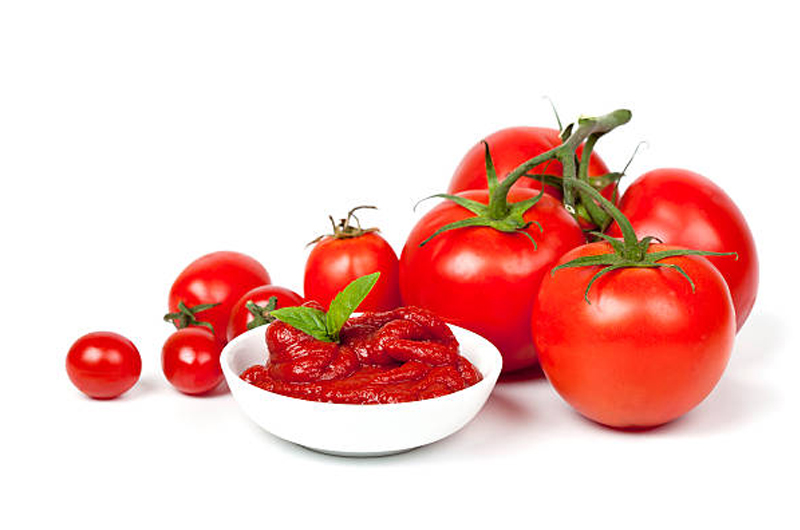
Tomato products—including tomato paste, purée, and sauces—provide concentrated sources of lycopene, one of the most effective dietary antioxidants. While their short-term effects on cholesterol and blood pressure may be modest, their antioxidant and anti-inflammatory properties make them a valuable component of a heart-healthy diet.
Current evidence suggests that regular consumption of tomato products can support cardiovascular well-being over the long term, particularly by reducing oxidative stress—one of the underlying drivers of cardiovascular disease.